Rodent Removal in Allen, TX
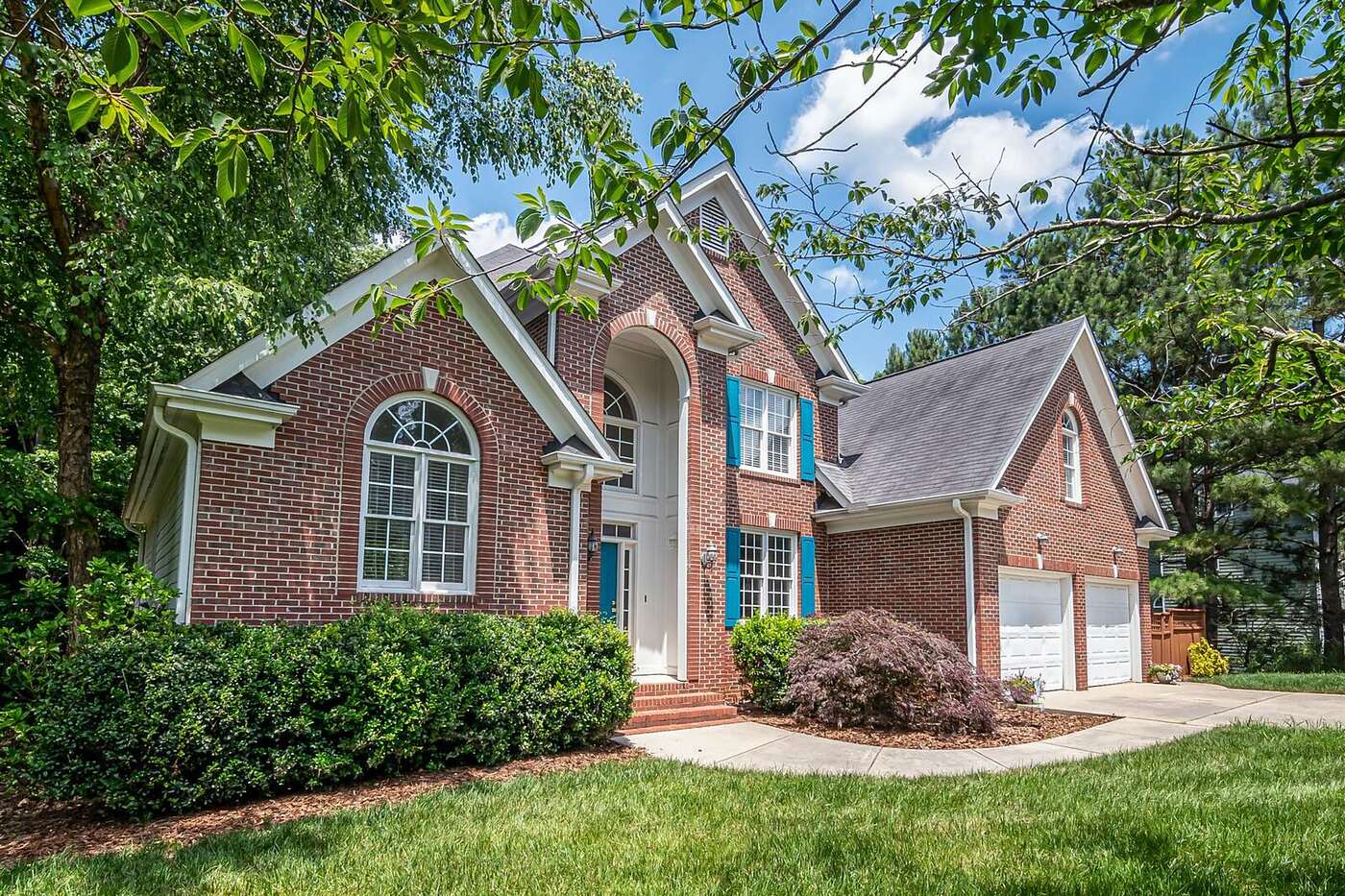
Allen filled in between the 1980s and the 2000s, which means brick on slab with trees that are now just tall enough to matter, and greenbelts along two creeks running through the middle of it.
- 1980s to 2000s brick
- Creek greenbelt corridors
- Collin County coverage
Free Inspection in Allen
The free inspection on an Allen house covers the roofline from a ladder, the attic from inside, the brick base course with the weep holes counted individually, the garage door seal and jambs, and the utility penetrations. The droppings get read for species and for how recent they are, every opening a quarter inch or wider gets written down with a material against it, and an itemized quote follows with trapping, sealing and any attic work as separate lines.
Allen is about twenty-five miles north of downtown Dallas, straight up US 75, which keeps it well inside the dispatch range. Someone answers the phone at any hour of the day or night, and inspection slots run from 7am to 7pm seven days a week. Call, or put the details through the contact page and a dispatcher will ring back to arrange a time.
Brick subdivisions at the age where trees start to reach the roof
Allen's main housing wave ran from the 1980s through the 2000s, which puts it in an interesting middle age for rodent work.
Everything from that period is slab-on-grade, since Dallas-area construction left pier-and-beam behind around the mid 1960s, and the standard house is brick veneer over wood frame with a composition shingle roof over a vented attic of blown-in insulation and an attached garage. So the ground-level list is the familiar one: weep holes along the base course, the garage door bottom seal and jambs, and the gas, cable, hose bib and condensate penetrations.
What has changed with time is the roofline exposure. Planting from the 1980s and 1990s is now twenty-five to forty years old, which on many streets puts limbs at or near roof height for the first time. UF/IFAS describes the roof rat as arboreal, traveling along limbs, wires and fences, with a range of about 150 yards from the den, so these subdivisions are moving from mouse-and-Norway-rat territory toward genuine roof rat territory as the canopy closes.
Thirty-year-old components are the other factor. A garage door seal from 1992 has usually worn to daylight, soffit return panels have shrunk and lifted, and gable vent screens have rusted. None of that was a defect when the house was new.
Rowlett Creek, Cottonwood Creek and the trail corridors
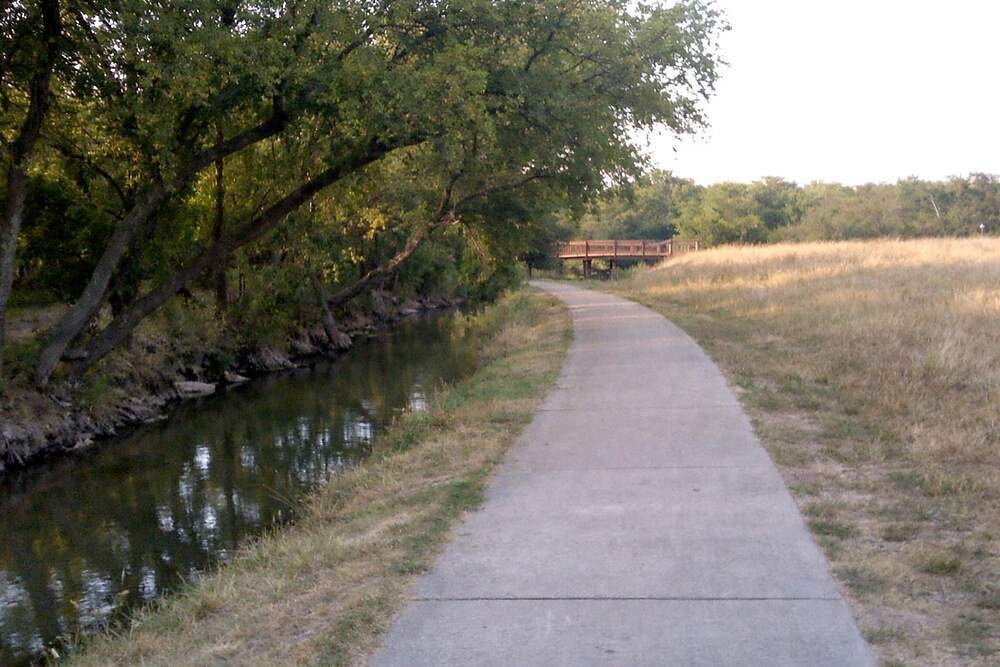
Two creek systems run through Allen with greenbelts and trails along them, and they carry a population that needs no building at all.
Rowlett Creek and Cottonwood Creek, with their tributaries and the trail corridors beside them, give rodents water, wooded cover, travel routes and banks to burrow into. Norway rats work that kind of ground and reach houses under garage doors and through broken weep holes; house mice use the same routes and then move into wall cavities through utility penetrations. The corridor also supplies the tree cover that lets roof rats approach a roofline from off the property.
The practical effect is a gradient across the city. A house backing directly onto a greenbelt has a permanent reservoir behind the fence, which makes completing the whole closure list matter more and makes clearing brush, ivy and wood piles back from the structure and the fence line worth doing. A house several streets inland has the same opening list and lower background pressure.
The older core along the rail line is the one part of Allen that predates the subdivision era, with a handful of houses old enough to sit on piers and trees old enough to have been there the whole time.
What We Handle in Allen
Five services account for almost every Allen call, and the mix shifts as the canopy matures.
- Rodent exclusion: the weep holes, garage door, penetrations and roofline closed to the quarter-inch standard.
- Mouse removal: snap traps in kitchen and garage voids, which is still the most common call on greenbelt streets.
- Roof rat removal: attic trapping, increasingly relevant where 1980s planting now touches the roof.
- Rodent inspection: the free walk that produces the opening count and a written quote with nothing bundled.
- Attic cleanup: droppings, nests and flattened blown-in insulation removed, then the attic sanitized.
A Typical Allen Job
The situation: a 1994 single-story brick house whose back fence meets a creek greenbelt, with cedar elms planted at the same time as the house now leaning over the roof. Scratching in the wall behind the laundry in the evenings and droppings on the shelf above the water heater.
What gets done: nineteen weep holes on the greenbelt-side elevation are uncovered, the dryer vent hood has lost its flap, and the condensate line penetration has a gap in the mortar. The garage door seal is sound. In the attic there is no current activity, but the run behind the laundry traces down a plumbing chase to the base course, which puts the problem at ground level. The weep holes take covers, the vent hood is re-screened from behind, the condensate penetration is collared with mortar and metal, and traps go into the chase, behind the washer and along the garage wall plate. A cedar elm limb within a foot of the fascia is cut back as a preventive line rather than a current one.
How it turns out: four catches in five days, one at the second check, nothing at the third. The shelf above the water heater is cleaned as part of a small sanitation line, and the closure list runs to twenty-two items.
What This Costs in Allen
An Allen quote is mostly sealing, and the bands below are the published figures a number should be read against.
| Line | Band | Source |
|---|---|---|
| Sealing a whole house | $500 to $2,500 | HomeGuide 2026 national |
| Trapping and removal of the animals present | $250 to $1,200 | HomeGuide 2026 national |
| Rat work across the Dallas area, typical job | $224 to $1,192, average near $693 | Angi's Dallas figures |
| Follow-up visits | $50 to $150 each | Angi's Dallas figures |
| Standalone inspection elsewhere | $0 to $175, no charge here | HomeGuide 2026 national |
A mid-size slab house with one affected elevation usually sits in the lower half of the sealing range. What moves it up is a second or third elevation of brick to cover, a garage door that needs jambs as well as a bottom seal, limb work on several trees, and any attic cleanup. Each band is a typical-job figure rather than a price list, and the free inspection is what produces the itemized quote.
Why mice keep coming back
A look at the openings that make it repeat.

Video: EASY WAY to Get Rid of Mice in Your House FOREVER, from Silver Cymbal.
Common Questions in Allen
What callers from Allen ask before booking.
What is getting in
Why is the noise in a wall rather than the attic?
Because the animal came in at ground level and is traveling up a chase. On a slab house the ground-level openings are the weep holes along the brick base course, the garage door seal and the utility penetrations, and from any of those a mouse or a Norway rat reaches the wall cavities through the plumbing and duct chases. That puts the sound at waist or shoulder height in a room rather than overhead. Noise above a ceiling after dark points at the roofline instead, and usually at roof rats.
Are the creek greenbelts the reason this happened?
They raise the background pressure rather than change the work. Rowlett Creek and Cottonwood Creek give rodents water, cover, travel routes and banks to burrow into, and UF/IFAS puts a roof rat's range at about 150 yards from its den, which covers any house along a greenbelt edge. The closure list is the same list as four streets inland; what changes is that completing all of it matters more, and that clearing brush, ivy and wood piles back from the fence line and the structure earns its keep.
Method and season
What keeps rodents away for good?
A closed building and a roofline with nothing touching it. Every opening a quarter inch or wider gets shut with hardware cloth, sheet metal, mortar with embedded metal or a weep hole cover that leaves the brick draining, the garage door seal gets replaced, and limbs get cut clear of the roof plane. Repellents, ultrasonic plugs and bait change nothing about an opening, which is why they are temporary. The quarter inch is the rat-proofing standard UF/IFAS publishes.
Is there a best month for this in Allen?
Late August through September, which is the sealing window local firms name. A hot summer dries the expansive clay, moves the slab and opens gaps at its edges and at penetrations, so the full opening list is at its widest and most visible then. The first cool fronts in late September or October push animals indoors and activity peaks November through February. A winter call starts with trapping and finishes with the closures, which is the same work in a different order.
Still have a question? Call (214) 203-5726 and ask.
Nearby Areas We Serve
The same contractors cover the towns around Allen, and the service area runs across Collin and Dallas counties and the rest of the metro.