Rodent Removal in Duncanville, TX
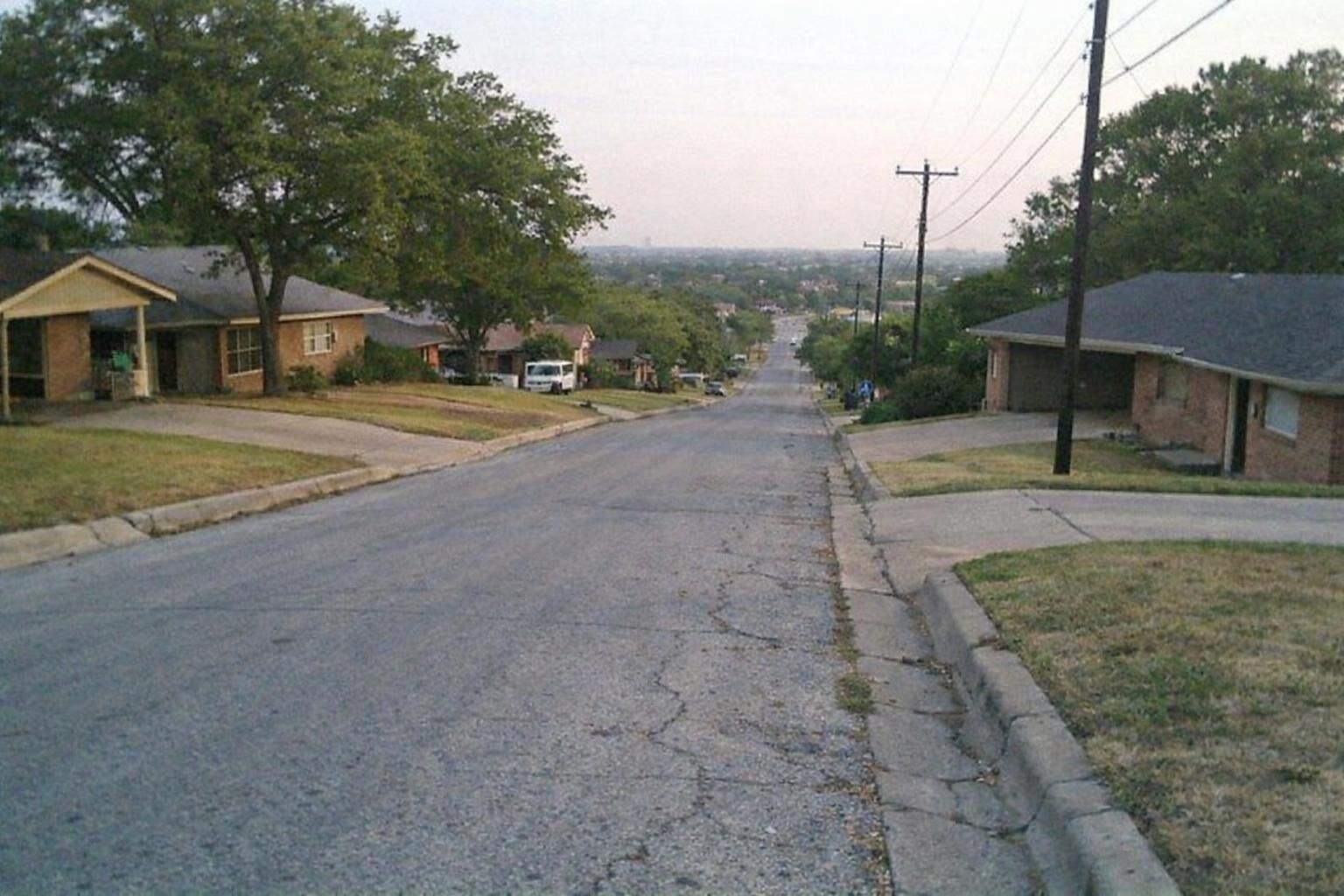
Duncanville sits on the rolling ground southwest of Dallas where the land starts to climb toward Cedar Hill, with brick ranch subdivisions from the 1950s to the 1980s and Ten Mile Creek through the middle of it.
- 1950s to 1980s brick ranch
- Rolling ground and creek
- Free inspection, written quote
Free Inspection in Duncanville
The free inspection takes in the roofline from a ladder, the attic from inside, the brick base course with the weep holes counted per elevation, the garage door bottom seal and jambs, and the utility penetrations, with a crawl underneath on any older core house that sits on piers. The droppings are read for species and for how recent they are, every opening a quarter inch or wider is written down with a material against it, and the quote that follows keeps trapping, sealing and any attic work on separate lines.
Duncanville is roughly thirteen miles southwest of downtown Dallas, out US 67, which keeps it inside the normal dispatch range alongside the other southwestern suburbs. The phone is answered at any hour, day or night, and inspections are booked between 7am and 7pm every day. Call, or send what you have found through the contact page and a dispatcher gets back to you.
Ranch-era brick on rolling ground
Duncanville built out between the 1950s and the 1980s, which makes the typical house a brick ranch on a slab with components now fifty or sixty years old.
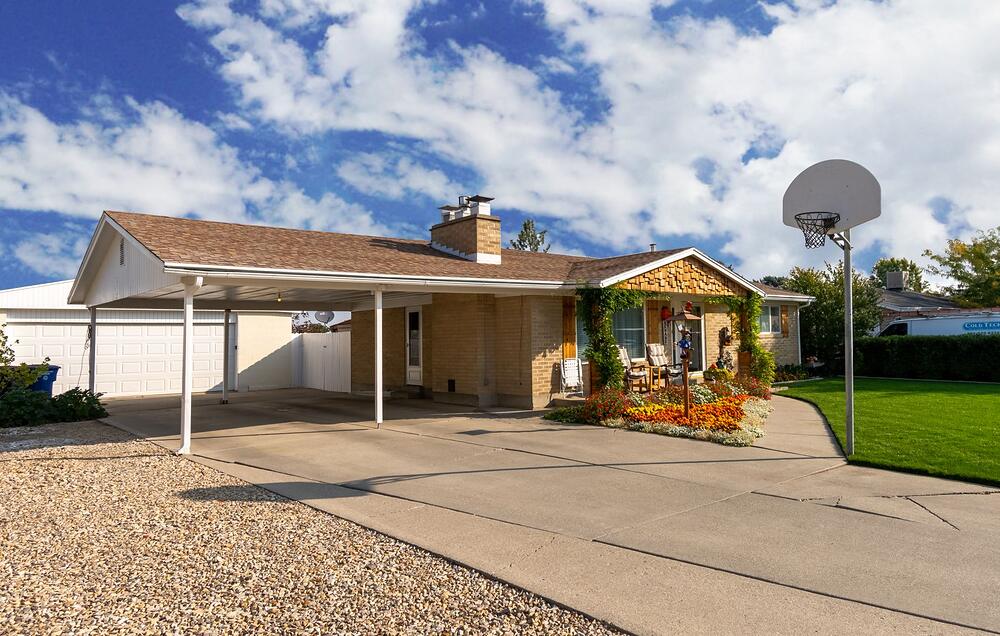
Dallas-area construction moved away from pier-and-beam around the mid 1960s, so all but the oldest core housing is slab-on-grade: brick veneer over wood frame, a low-pitched composition shingle roof over a vented attic of blown-in insulation, and a garage that is attached on the later houses and detached or a carport on some of the earlier ones.
What makes that stock productive for rodents is age rather than design. A garage door seal from 1965 has worn to daylight at a corner. A soffit return panel has shrunk and lifted. A gable vent screen has rusted through. A vent hood has lost its flap. The mortar at the gas line or hose bib penetration has cracked out. And along the base course, thirty or forty weep holes per elevation have been open since the wall was built, because they are designed openings for draining the cavity behind the brick.
The rolling terrain adds one local feature. On a sloping lot the grade on the uphill side can sit close to or above the brick base course, which buries the weep holes in soil or mulch and puts the slab edge in contact with ground that moves. Those are the openings most often missed, because nobody can see them.
Ten Mile Creek and the wooded edges toward Cedar Hill
Ten Mile Creek and its tributaries run through Duncanville, and the ground rises into woodland to the southwest.
The creek corridor supplies water, brush, wooded banks and soft ground for burrowing, which supports a ground population of Norway rats and house mice independent of any building. Those animals stay low and reach houses under garage doors and through broken weep holes; the tree cover along the corridor gives roof rats a route up to a roofline, and UF/IFAS puts their range at about 150 yards from the den. The wooded higher ground toward Cedar Hill extends the same pressure from the other direction.
Trees in the older subdivisions are now sixty or seventy years old, which puts limbs at or above the low ranch rooflines and makes roof rats a genuine candidate on streets that were open prairie when the houses were new.
For a house near the creek or the wooded edge the closure list is the standard one, and the case for completing all of it is stronger. Clearing brush, ivy and wood piles back from the walls and the fence line is part of the scope rather than an extra.
What We Handle in Duncanville
Six services cover almost every Duncanville call, weighted toward sealing and the attic because of the age of the stock.
- Rodent exclusion: base course, garage door, penetrations and eave all closed to a quarter inch, with the grade cut back first where it needs it.
- Roof rat removal: attic trapping where sixty-year-old trees now stand over a low ranch roof.
- Mouse removal: snap traps in the kitchen and garage voids with the base course closed behind them.
- Attic insulation replacement: the flattened strips of a shallow 1960s layer measured, removed and blown back deeper than the house was built with.
- Attic cleanup: droppings, nests and soaked insulation removed, then the attic sanitized.
- Crawl space rodent control: the perimeter underneath on the oldest core houses.
A Typical Duncanville Job
The situation: a 1963 brick ranch on a sloping lot with a carport at the side, three blocks above Ten Mile Creek. Running overhead in the evenings since the middle of October, and droppings in the carport storage cupboard.
What gets done: on the uphill elevation the flower bed has been built up over the years until the mulch sits above the base course, burying the weep holes and putting soil against the brick. Clearing that strip back exposes nineteen weep holes, four of them with rub marks. The ladder finds a soffit return lifted at the uphill gable corner and a gable vent screen rusted at one end. In the attic, droppings a quarter to half an inch long with pointed ends run along the top plate, and the shallow original fiberglass is flattened along two runs. The grade is cut back from the brick, the weep holes take covers, the gable screen is replaced with hardware cloth behind the louver, traps hold the soffit return run, and a pecan limb is cut clear of the roof.
How it turns out: five catches in the first week, nothing at the second check. The soffit return is rebuilt and backed with mesh, the two flattened runs are quoted as a measured removal and re-blow on their own line, and the closure list runs to twenty-three items plus the grade correction.
What This Costs in Duncanville
A Duncanville quote usually carries a sealing line and often an attic line, and the published bands below cover both.
| Line | Band | Source |
|---|---|---|
| Sealing the building | $500 to $2,500 | HomeGuide 2026 national |
| Trapping and removal of the animals inside | $250 to $1,200 | HomeGuide 2026 national |
| Typical rat job across the Dallas area | $224 to $1,192, average near $693 | Angi's Dallas figures |
| Insulation removal and replacement | $2.50 to $5.50 per square foot | HomeGuide 2026 national |
| Additional visits | $50 to $150 each | Angi's Dallas figures |
A single-story ranch keeps the sealing figure in the lower half of its range, since the ladder work is short, with a carport or a detached garage adding a line of its own. Two things push a Duncanville total up: an attic of thin fifty or sixty-year-old loose fill flattened into runs, which is priced by measured square foot, and grade that has to be cut back from the brick before the base course can be sealed at all. Each band is a typical-job figure confirmed at the free inspection.
The order an attic job runs in
Five stages, from inspection through to cleanup.
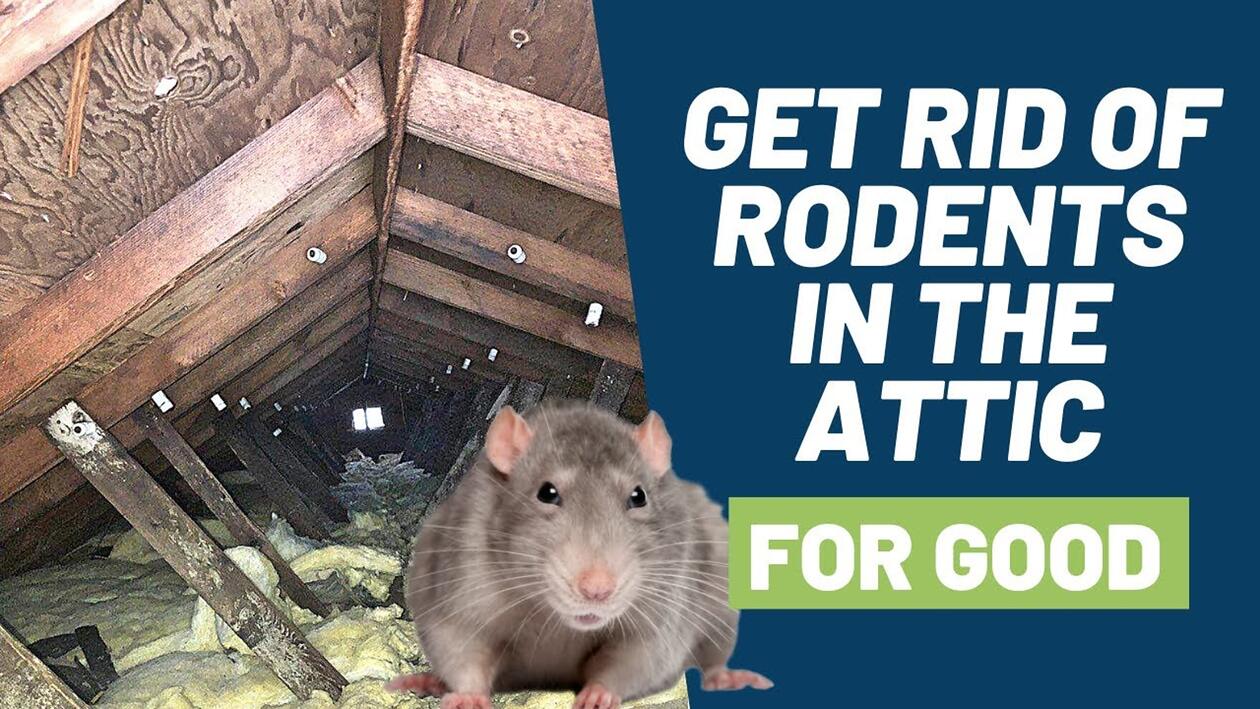
Video: 5 Step Solution to Get Rid of Rodents in Your Attic, from Atticare Construction.
Common Questions in Duncanville
What callers from Duncanville ask before booking.
The house and the ground
My flower bed covers the bottom of the brick. Does that matter?
It matters a good deal, and on sloping lots here it is common. Soil or mulch built up above the brick base course buries the weep holes, which are the designed openings that let the cavity behind the veneer drain, and it puts earth against the brick where moisture and movement both act. Buried weep holes cannot be inspected or covered, so the grade gets cut back from the wall first and the openings are counted afterward. It is a cheap correction that usually exposes openings nobody knew were there.
Does my sixty-year-old attic insulation need replacing?
The parts flattened into runs or soaked with urine do, and on a shallow original layer that is often most of the affected area. The only test applied comes from the Department of Energy: loose fill crushed into a run falls below its rated R-value, and loose fill that has taken moisture performs badly. Since the material is coming out anyway, blowing back to a deeper figure than 1963 called for costs little more than matching it, and the line is priced by measured square footage so the area is visible.
Method and timing
Is it safe to do the sealing before the trapping?
The quiet openings can go first and the live ones cannot. Closing everything with animals inside leaves them chewing out through a sixty-year-old soffit panel or dying in a wall cavity, which turns a trapping job into a dead rodent removal job. The sequence that works is to close the openings with no current traffic, trap on the routes still in use for at least a week, then close those last runs once two consecutive checks come up empty.
When is the best time of year for this?
Late August through September, which is the sealing window local firms name for the metro. A hot summer dries the expansive clay, moves the slab and opens gaps at its edges and at penetrations, so the full opening list is at its widest and most findable then. The first cool fronts in late September or October push animals indoors and activity peaks November through February. A call in midwinter still gets handled; it begins with trapping and ends with the closures.
Still have a question? Call (214) 203-5726 and ask.
Nearby Areas We Serve
The same contractors cover the towns around Duncanville, and the service area runs across Dallas County and the rest of the metro.