Rodent Removal in Irving, TX
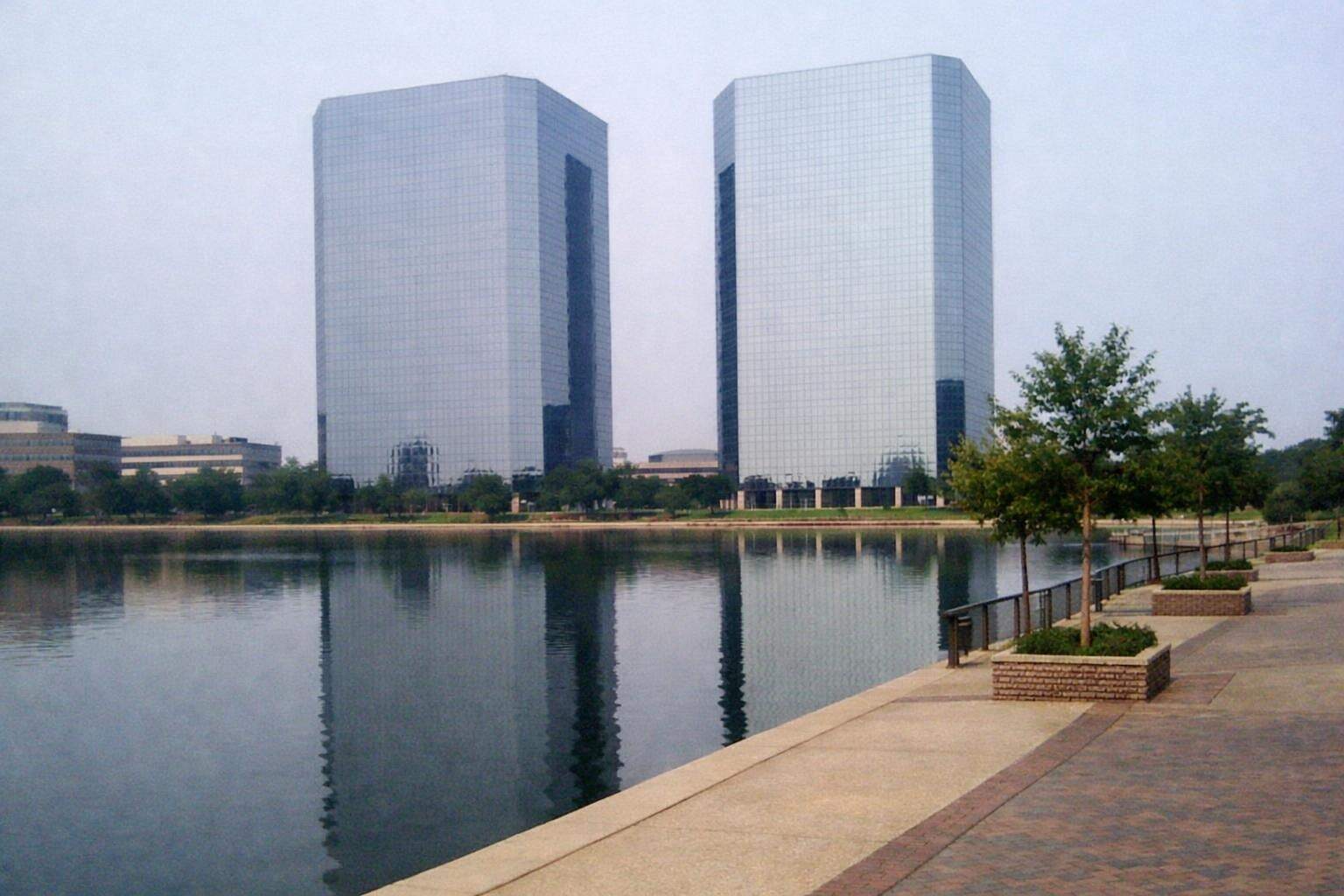
Irving covers two separate housing stories: mid-century streets in the south of the city and Las Colinas built from the 1980s onward, with the Elm Fork of the Trinity running along its eastern boundary.
- South Irving mid-century
- Las Colinas from the 1980s
- Elm Fork Trinity bottoms
Free Inspection in Irving
The free inspection is set by the part of the city. On a south Irving house from the 1950s or 1960s it covers the roofline, the attic, the base course and the garage, with a crawl underneath on any house old enough to sit on piers. In Las Colinas and the later developments it covers the roofline junction by junction, the attic, the weep hole count and the garage door. In both cases every opening a quarter inch or wider goes on a written list with a material against it, and the quote separates trapping, sealing and any cleanup.
Irving is about twelve miles northwest of downtown Dallas, reached by Highway 114 or I-35E, which puts it well inside the dispatch radius. The phone is answered 24 hours a day, every day, and inspections run from 7am to 7pm. Call, or leave the details on the contact page and a dispatcher will ring back with a slot.
South Irving: mid-century houses at the changeover
The older part of Irving was built in the 1950s and 1960s, which straddles the point where Dallas-area construction left pier-and-beam for slab.
The changeover came around the mid 1960s, so on these streets a 1953 house may well have a crawl space while a 1966 house next door sits on concrete. That single fact changes the opening list completely. A pier-and-beam house has a whole perimeter underneath, skirting, foundation vent screens, an access door and plumbing penetrations up through the subfloor, on top of the roofline. A slab house has the weep holes along the brick base course, the garage door seal and the utility penetrations instead.
So the inspection here starts with the foundation. The visual test is a skirting wall with rectangular vents and an access panel for piers, or brick running to a visible concrete edge for slab. Where a house has an addition from a later decade, there is a seam at grade between two foundation systems, and that seam is a reliable ground-level entry.
The trees on these streets are seventy years old in places, which gives roof rats a route to a low mid-century roofline, so both ends of the building matter. Crawl space rodent control covers the underside where there is one.
Las Colinas, the commercial core and the Elm Fork
Las Colinas and the later developments are slab-built with more complex rooflines, and the commercial footprint around them is one of the largest in the metro.
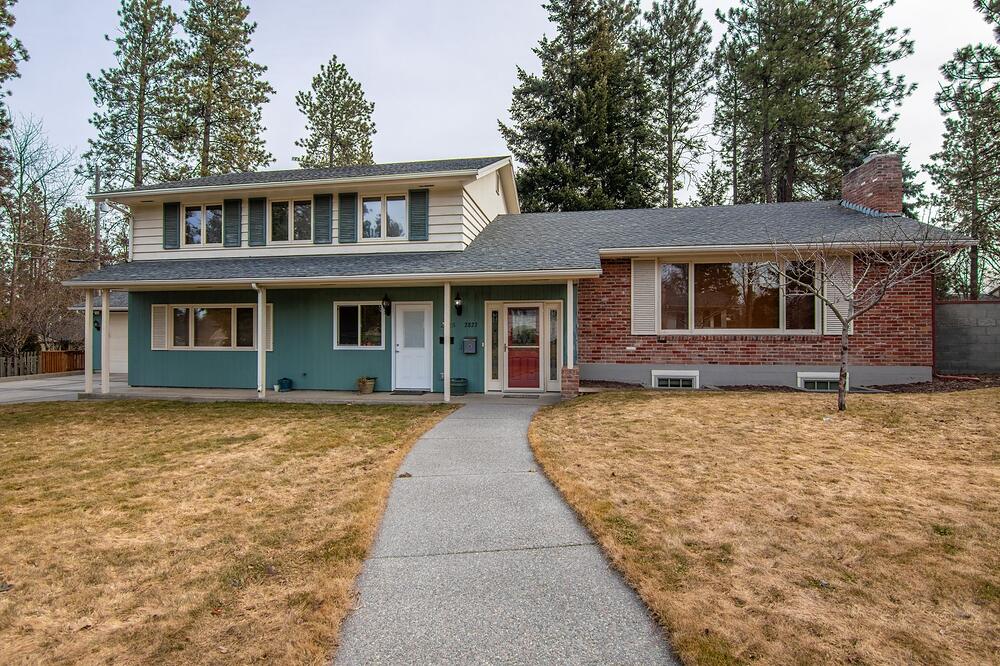
Housing from the 1980s onward here is brick veneer on slab with multiple gables, dormers, roof returns and long soffit runs, and those junctions are where production building leaves gaps: soffit returns boxed but open behind, plumbing stacks without metal collars, and builder gaps where two roof planes meet at different heights. Townhomes and mid-rise residential add shared walls and shared roof decks, which means one unit's problem can be several units' problem.
Commercial property is the other half of Irving. Office towers, hotels, retail centers, restaurants and warehousing near the airport and along the highway corridors bring dock doors, dumpster enclosures, drop ceilings and shared roof decks into the work, and a burrow system behind an enclosure supplies a whole row of tenants. Commercial rodent control covers the device map, service log and corrective action notes an inspection expects.
Along the eastern boundary the Elm Fork of the Trinity runs through wooded bottoms with brush and standing water, a permanent reservoir for ground-level Norway rats and house mice that reaches the nearest streets.
What We Handle in Irving
Six services cover the spread of Irving property, from mid-century houses to the commercial corridors.
- Rodent exclusion: the whole closure scope on either kind of house, opening by opening with a material named.
- Crawl space rodent control: the perimeter underneath on south Irving houses built before the mid 1960s.
- Roof rat removal: attic trapping where seventy-year-old trees stand over a low roofline.
- Mouse removal: kitchen and garage trapping with the base course and the door seal closed behind it.
- Commercial rodent control: offices, hotels, restaurants, retail and warehousing, with documentation for inspections.
- Dead rodent removal: locating and removing a carcass when bait has left a smell in a wall.
A Typical Irving Job
The situation: a 1957 single-story house in south Irving with a detached garage and two large pecans over the roof. Running overhead at night in one bedroom, and a gnawing sound under the hall floor that the owners assumed was plumbing.
What gets done: the foundation turns out to be pier-and-beam, so both ends are walked. Underneath, a skirting board is missing at one bay, one foundation vent screen has rusted out, and fresh droppings run along the sill beam under the hall. The attic has droppings a quarter to half an inch with pointed ends along the top plate and a soffit return lifted on the pecan side with rub marks at the edge. The vent screen and two quiet skirting gaps go first, traps hold the sill run and the attic run, and both pecan limbs are cut back off the roof plane.
How it turns out: four catches underneath and three in the attic across the first week, nothing at the second check. The soffit return is rebuilt and backed with hardware cloth, the missing skirting board is refitted, and the closure list runs to six items with the materials recorded against each.
What This Costs in Irving
Irving quotes split along the same line the housing does, and the published bands give both halves a reference point.
| Line | Band | Source |
|---|---|---|
| Exclusion across a whole house | $500 to $2,500 | HomeGuide 2026 national |
| Trapping and removing what is inside | $250 to $1,200 | HomeGuide 2026 national |
| Typical rat job, Dallas area | $224 to $1,192, average near $693 | Angi's Dallas figures |
| Dead animal located and removed | $150 to $500 | HomeGuide 2026 national |
| Extra visits | $50 to $150 each | Angi's Dallas figures |
A pier-and-beam house in south Irving sits in the upper half of the sealing band, because the crawl space perimeter is a whole extra region and a detached garage usually adds a line. A Las Colinas house sits in the middle, with roofline junctions and the weep hole count doing the work. Commercial sites are quoted from a survey rather than from these bands, which describe house-scale work. The free inspection is what produces the itemized number.
Keeping rodents out once they are gone
Three approaches, and why sealing is the one that lasts.
Video: 3 Ways To Get Rid Of Mice or Rats, And Keep Them Out!, from Everything Homestead.
Common Questions in Irving
What callers from Irving ask before booking.
Which kind of house
How do I tell whether my south Irving house has a crawl space?
Look at the base of the house. A skirting wall with rectangular vents and a removable or hinged access panel on a side or back elevation means pier-and-beam with a crawl space. Brick running down to a visible concrete edge with no vents means a slab. Build year helps: Dallas-area construction changed over around the mid 1960s, so a 1953 house is likely on piers and a 1966 house is likely on concrete. An addition from a later decade leaves a seam at grade that is worth checking specifically.
Why would a newer Las Colinas house have openings?
Because the openings came with it. Production building regularly leaves soffit returns boxed but unsealed behind the panel, plumbing stacks through the roof decking with no metal collar, and a gap where two roof planes meet at different heights. On a house with several gables, dormers and roof returns the count of those junctions goes up. Expansive clay then moves the slab through the year and opens gaps at its edges and at penetrations regardless of the building's age.
Shared buildings and commercial
I am in a townhome. Does my neighbor's problem affect me?
It can, because shared walls and a shared roof deck connect the buildings. An animal in the ceiling void above a party wall is in both units, and sealing only your own elevation leaves the route open from next door. The practical approach is to have the whole structure surveyed, seal your own openings, and put the shared findings to the management or the association in writing, since the common areas belong to them rather than to any one owner.
Can a restaurant or warehouse be covered?
Yes, on a different scope. Commercial work means dock door seals, man door sweeps, roll-up door guides, floor drains, conduit penetrations and roof curbs closed as an itemized capital line, plus interior traps and monitors on a numbered device map and a dated service log with corrective action notes. Exterior bait stations require a contractor holding a TDA license, so the TPCL number goes in the property file. Commercial rodent control sets it out.
Still have a question? Call (214) 203-5726 and ask.
Nearby Areas We Serve
The same contractors cover the towns around Irving, and the service area runs across Dallas County and the rest of the metro.