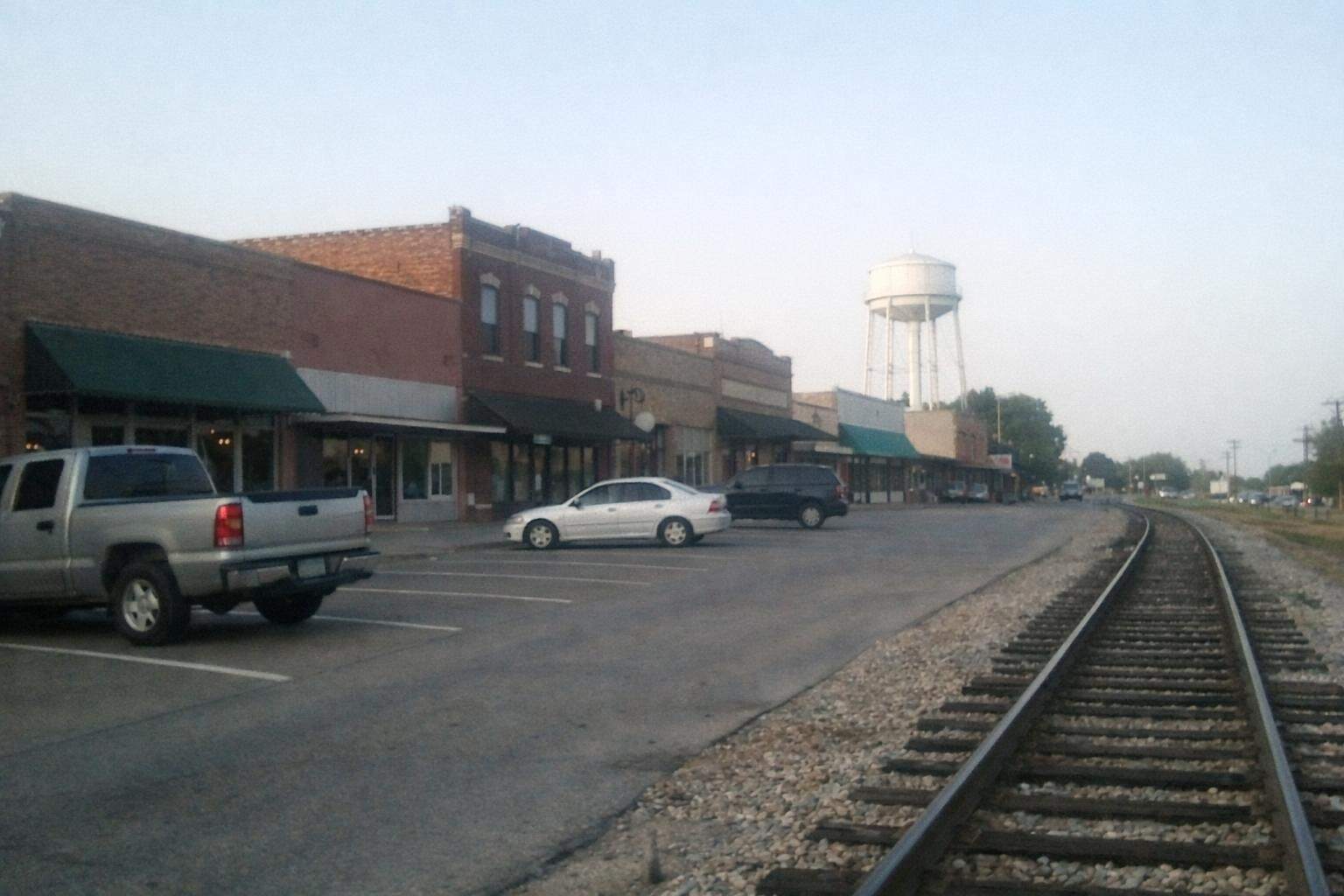
Rodent Removal in Carrollton, TX
Carrollton pairs a small older downtown with a large belt of 1970s to 1990s brick subdivisions, and it has the Elm Fork greenbelt on one side and warehousing along I-35E on the other.
- Older core and 1970s belts
- Elm Fork greenbelt
- I-35E warehouse corridor
Free Inspection in Carrollton
The free inspection takes in the roofline from a ladder, the attic from inside, the brick base course with the weep holes counted per elevation, the garage door bottom seal and jambs, and the utility penetrations, plus a crawl underneath on any downtown-core house old enough to have one. The droppings are read for species and for how recent they are, every opening a quarter inch or wider is written down with a material against it, and the itemized quote that follows keeps trapping, sealing and any attic work on separate lines.
Carrollton is roughly fifteen miles northwest of downtown Dallas up I-35E, which keeps it comfortably inside the dispatch range. The phone is answered 24 hours a day, every day, and inspection slots run from 7am to 7pm. Call, or put the details through the contact page and a dispatcher will call you back.
A small old core and a large slab-built belt
Carrollton has an original downtown with housing that predates the slab era and a much larger ring of subdivisions that does not.
The core around the old downtown holds houses old enough to sit on pier-and-beam, since Dallas-area construction moved to slab-on-grade around the mid 1960s. Those have a skirting wall, foundation vents, an access door and plumbing penetrations up through the subfloor, and some are wood frame rather than brick, which swaps the weep hole count for siding gaps and aging trim.
Everything from the 1970s through the 1990s, which is most of the city, is brick veneer over wood frame on a slab with a composition shingle roof over a vented attic of blown-in insulation and an attached garage. The list there is the weep holes along the base course, the garage door seal and jambs, the gas, cable, hose bib and condensate penetrations, and at the roofline the soffit returns, roof returns, vent screens and builder gaps.
Planting from the 1970s and 1980s is now old enough to put limbs at roof height on many streets, which moves those houses toward roof rat territory. UF/IFAS describes the roof rat as arboreal, traveling along limbs, wires and fences, with a range of about 150 yards from its den.
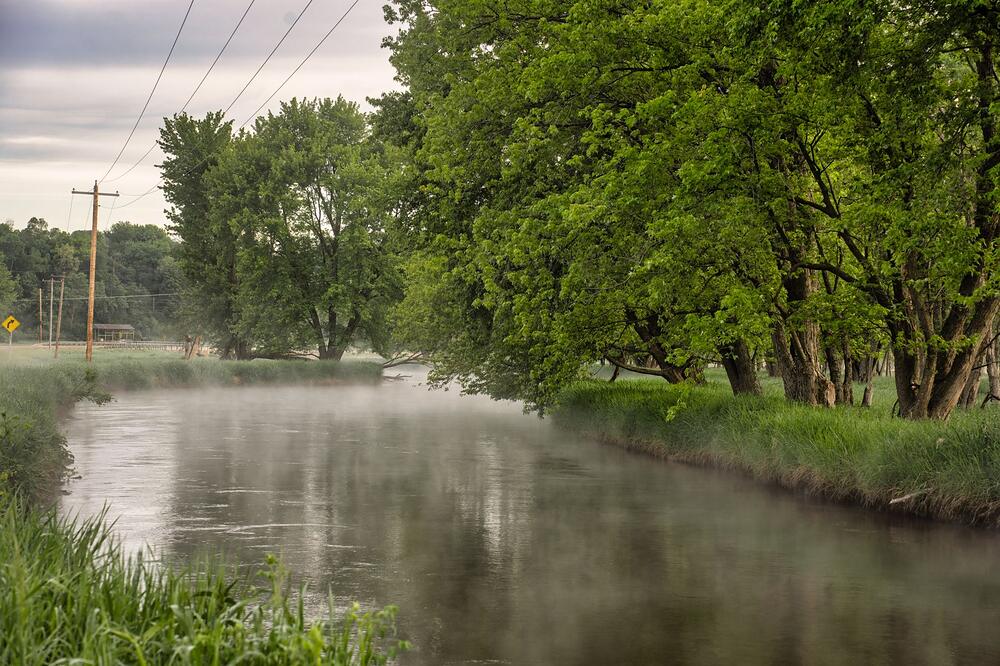
The Elm Fork greenbelt and the I-35E corridor
The Elm Fork of the Trinity runs along Carrollton's western side with a wide wooded greenbelt, and the interstate corridor beside it is lined with warehousing.
The greenbelt is a continuous reservoir: wooded floodplain, brush, standing water and soft ground that is easy to burrow into, all of it unaffected by anything anybody does to a house. Norway rats work that ground and reach the nearest buildings under garage doors and through broken weep holes, while the tree cover along the corridor gives roof rats a route to a roofline. Creek tributaries carry the same pressure further into the residential streets.
The warehousing and light industry along I-35E is a commercial scope with its own problems: dock door seals, roll-up door guides, man door sweeps, floor drains, conduit penetrations and roof curbs on the envelope, and dumpster enclosures with burrow systems behind them doing most of the harboring. A numbered device map, a dated service log and corrective action notes are what an inspection or a customer audit expects, and that is covered on commercial rodent control.
Houses near either feature get the overflow, which makes finishing the ground-level closure list and clearing brush back from the walls worth the effort.
What We Handle in Carrollton
Six services cover almost every Carrollton call, split between the two housing eras and the commercial belt.
- Rodent exclusion: every quarter-inch opening from the base course to the ridge shut with metal and mesh, listed one by one.
- Roof rat removal: attic trapping where 1970s and 1980s planting now reaches the roofline.
- Mouse removal: snap traps in the kitchen and garage voids with the base course closed behind them.
- Crawl space rodent control: the perimeter underneath on the older downtown-core houses.
- Attic cleanup: droppings, nests and flattened blown-in insulation removed and the attic sanitized.
- Commercial rodent control: warehousing and food service on the I-35E corridor, with the records an inspection asks for.
A Typical Carrollton Job
The situation: a 1983 single-story brick house five streets from the greenbelt, with live oaks planted at the same time as the house now leaning over the roof. Running overhead above a bedroom since late September, and mouse droppings in the garage.
What gets done: the ladder finds a soffit return lifted at the gable corner nearest the greenbelt with rub marks at its edge, and a gable vent screen intact. Twenty-five weep holes are open on that elevation, and the garage door bottom seal has worn through at the latch corner. In the attic, droppings a quarter to half an inch long with pointed ends run along the top plate toward the lifted return, dark and soft. The weep holes and the garage door seal go first, traps hold the soffit return run and the garage wall plate, and two live oak limbs are cut back clear of the roof plane.
How it turns out: four catches in the attic and three in the garage across the first week, nothing at the second check. The soffit return is rebuilt and backed with hardware cloth, the insulation is flattened along one run so a measured spot removal and re-blow is quoted on its own line, and the closure list runs to twenty-eight items.
What This Costs in Carrollton
The published bands below are the reference for each line on a Carrollton quote.
| Line | Band | Source |
|---|---|---|
| Exclusion sealing, whole building | $500 to $2,500 | HomeGuide 2026 national |
| Trapping and removal of what is inside | $250 to $1,200 | HomeGuide 2026 national |
| Typical Dallas-area rat job | $224 to $1,192, average about $693 | Angi's Dallas figures |
| Insulation removal and replacement | $2.50 to $5.50 per square foot | HomeGuide 2026 national |
| Follow-up visit | $50 to $150 | Angi's Dallas figures |
A single-story subdivision house with one affected elevation lands in the lower half of the sealing range, and a two-story with a longer roofline and two or three elevations of brick lands higher. A downtown-core house with a crawl space adds a whole perimeter and sits higher again. Any attic line is priced by measured square footage rather than as a lump sum. Each figure describes a typical job and the free inspection converts it into a quote.
What is moving inside the walls
How noise in a wall cavity gets traced.
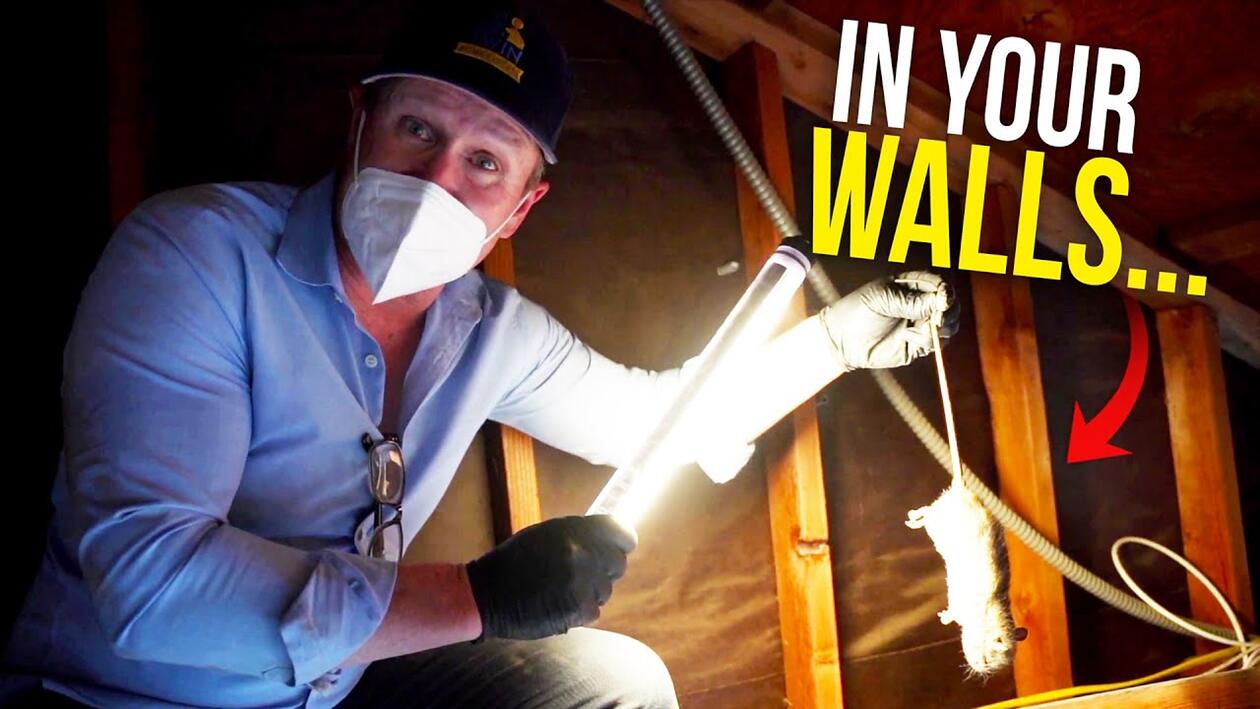
Video: Rodents in your walls? Here's what you do, from Twin Home Experts.
Common Questions in Carrollton
What callers from Carrollton ask before booking.
What is getting in and how
My house is from the 1980s. Are the trees the problem now?
Often, yes, and that is a change from twenty years ago. Planting from the 1970s and 1980s is now thirty-five to fifty years old, and on many Carrollton streets the limbs have reached roof height for the first time. UF/IFAS describes the roof rat as arboreal, traveling along limbs, wires and fences, and ranging about 150 yards from its den, so a limb on the shingles is a road. Cutting it back off the roof plane is usually the cheapest line on the quote and the one that does most.
Is it worth trapping if the greenbelt is right there?
Trapping plus sealing is worth it; trapping alone is not. The Elm Fork greenbelt is a permanent reservoir of water, brush, cover and burrowing ground, so a trap line will keep producing as long as the building stays open. What ends the job is closing every opening a quarter inch or wider, which is the rat-proofing standard UF/IFAS publishes, and getting the limbs off the roof. A closed house on a greenbelt street stays quiet.
Scope and documentation
Will the attic be cleaned or only trapped?
Whichever you buy, and the quote says which. Trapping, sealing, cleanup and insulation appear as separate lines with the affected square footage measured and photographed, so cleanup can be scheduled later, put to an insurer or declined. The complaint homeowners report most often is paying a company, watching the trapping succeed, and finding the droppings still in the attic at resale two years later, which is what an itemized scope prevents.
Who turns up, and are they licensed?
An independent contractor with the credential the method requires. Texas regulates structural pest control through the Texas Department of Agriculture with rodents expressly in scope, so anyone placing rodent bait must work under a licensed business with a TPCL number. Live trapping and nonpesticidal barrier work are exempt under Texas Occupations Code section 1951.058, so a trap-and-seal contractor may lawfully hold no license. Ask for the TPCL number where bait is quoted, check it on the TDA license search, and ask for insurance documentation either way.
Still have a question? Call (214) 203-5726 and ask.
Nearby Areas We Serve
The same contractors cover the towns around Carrollton, and the service area runs across Dallas County and the rest of the metro.