Rodent Removal in Plano, TX
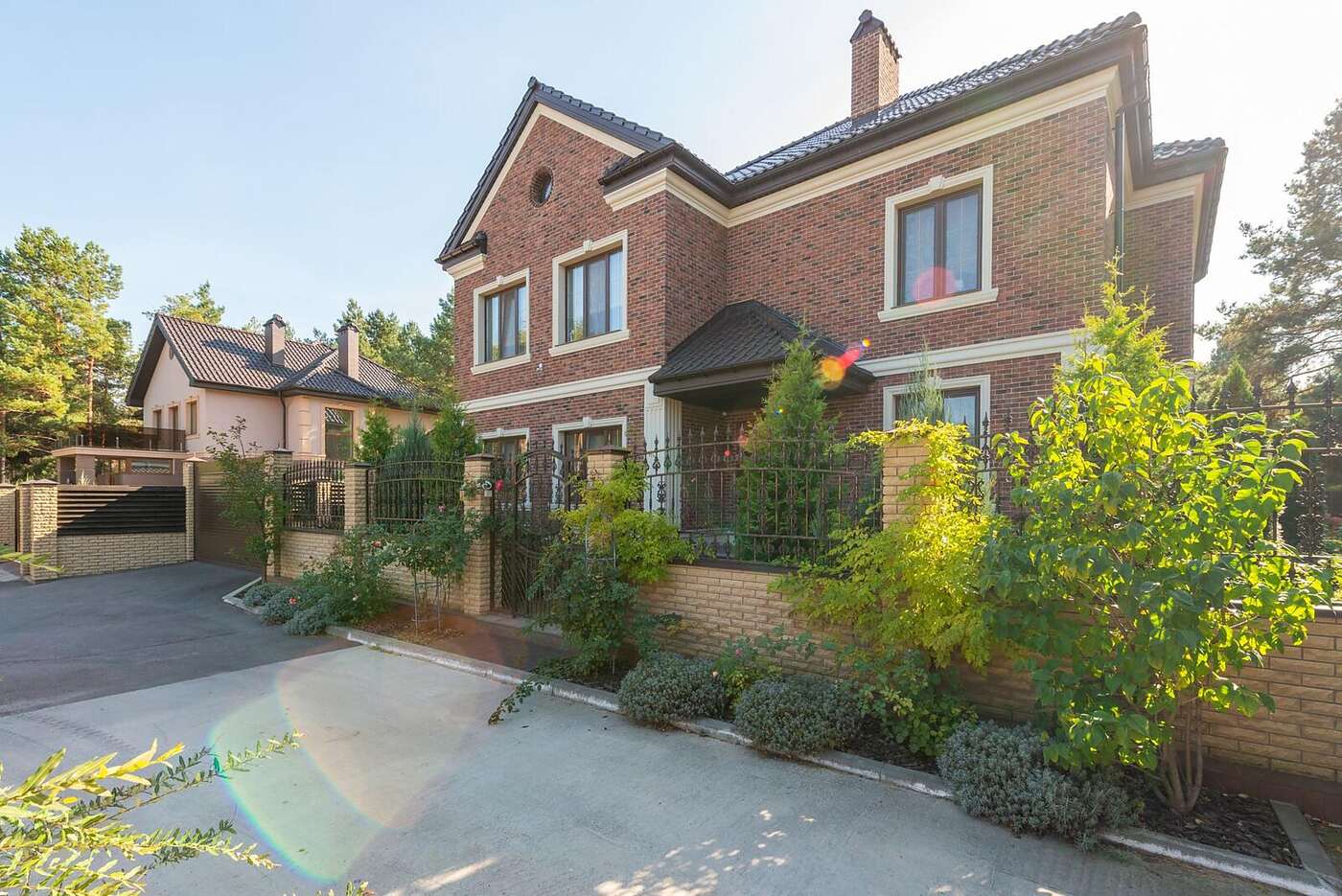
Plano is slab-built brick on a scale few Texas cities match, which makes the rodent work predictable: weep holes along the base course, the garage door seal, and the soffit returns over a vented attic.
- Slab brick subdivisions
- Weep hole and door sealing
- Collin County coverage
Free Inspection in Plano
The free inspection on a Plano house walks four things: the roofline from a ladder, the attic from inside, the brick base course with the weep holes counted, and the garage with its door seal and jambs. Every opening a quarter inch or wider gets written down with a location and a material against it, the droppings get read for species and freshness, and an itemized quote follows with trapping, sealing and any cleanup as separate lines.
Plano sits roughly twenty miles north of downtown Dallas, a straight run up US 75 or the Dallas North Tollway, which puts most of the city inside the same dispatch radius as the Dallas neighborhoods. The phone is answered 24 hours a day, every day, and inspections are booked between 7am and 7pm. Call, or send the details through the contact page and a dispatcher calls back to set a time.
Plano's housing stock is almost all slab-on-grade brick
Plano grew from a small town into a large city between the 1970s and the 1990s, which puts nearly every house in the slab era.
Dallas-area construction changed over from pier-and-beam to slab-on-grade around the mid 1960s, and almost everything built after 1970 sits on concrete. Plano's growth happened almost entirely after that line, so the ranch and two-story subdivisions on both sides of Central Expressway are brick veneer over wood frame on a slab, with composition shingle roofs over vented attics of blown-in fiberglass or cellulose, and attached garages.
That removes the crawl space from the job and concentrates it in four places. The weep holes along the brick base course, which are designed openings for draining the cavity behind the veneer and which a long elevation can carry thirty or forty of. The garage door bottom seal and jambs, which on a thirty-year-old door have usually worn to daylight at a corner. The utility penetrations for gas, cable, hose bib and condensate. And the roofline, where soffit returns, roof returns, ridge and gable vents and builder gaps sit above the attic.
The older core around downtown Plano is the exception worth naming. Houses there predate the subdivisions and some of the oldest sit on piers, which adds a perimeter underneath and makes crawl space rodent control relevant on those streets.
Rowlett Creek, Spring Creek and the greenbelt network
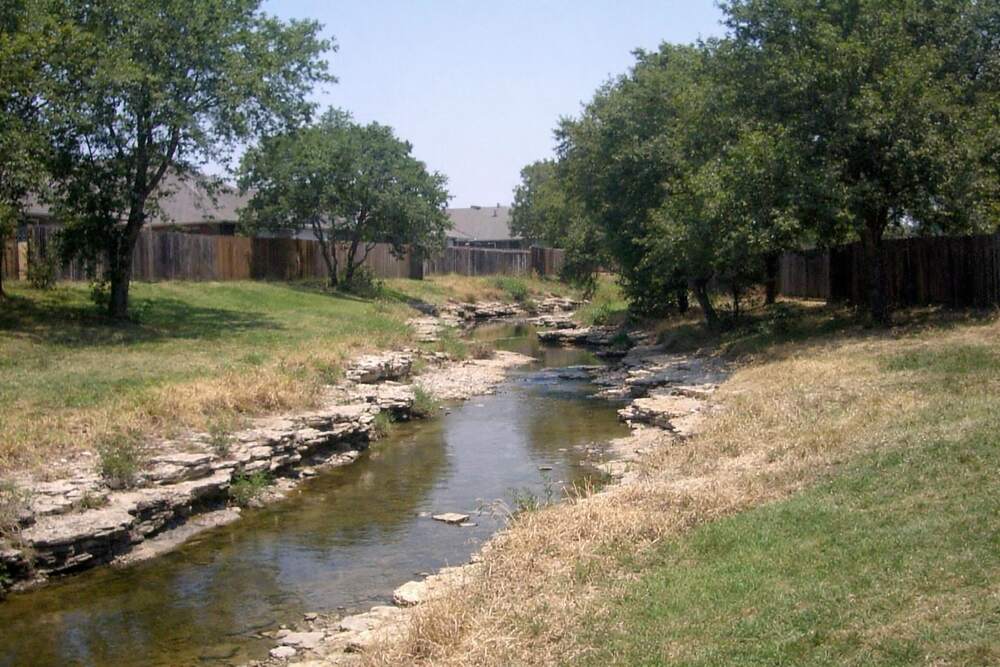
Plano threaded greenbelts and trails along its creeks as it developed, and those corridors hold a permanent rodent population.
Rowlett Creek and Spring Creek, with their tributaries, run through the city with wooded banks, brush, trail corridors and standing water alongside them. Norway rats work banks and burrow systems at ground level and reach buildings under garage doors and through broken weep holes. Roof rats use the tree cover along the same corridors and then move up, since UF/IFAS describes the animal as arboreal, traveling along limbs, wires and fences, with a range of about 150 yards from the den.
Tree age varies across the city in a way that maps onto the pressure. The older west-side subdivisions have canopy that now reaches rooflines, which makes roof rats the likely species there, while the newer eastern and northern developments have younger planting and see more ground-level mouse and Norway rat work at the base course and the garage.
For a house backing onto a greenbelt the closure list is the same and the case for completing all of it is stronger, along with clearing brush, ivy and wood piles back from the structure and the fence line.
What We Handle in Plano
Six of the ten services account for nearly every Plano call, and which one you need depends on where the noise is and how long it has run.
- Roof rat removal: the attic species, and the usual answer on the older west-side streets where the canopy reaches the roof.
- Rodent exclusion: the weep hole count, the garage door seal, the penetrations and the soffit returns, closed to a quarter inch.
- Mouse removal: snap traps in the kitchen and garage voids, with the base course and door seal as the sealing half.
- Rodent inspection: the free walk that produces the opening list and the itemized quote before any work is booked.
- Attic cleanup: droppings, nests and soaked blown-in insulation out of a vented Plano attic, then sanitized.
- Commercial rodent control: offices, retail centers and restaurants along the expressway corridor, with the service records an inspection asks for.
A Typical Plano Job
The situation: a two-story brick house from 1988 on the west side of Central Expressway, with a greenbelt two lots behind and red oaks that have grown past the roofline. Running above an upstairs bedroom ceiling since late October.
What gets done: the ladder reaches a soffit return at the back gable corner that has lifted, with greasy rub marks at the edge, and a ridge vent that a hailstorm has raised along two feet of its length. Thirty-one weep holes along the north elevation are uncovered and the garage door bottom seal is split at the hinge corner. In the attic, droppings a quarter to half an inch long with pointed ends run along the top plate toward the lifted return. The ridge vent, the weep holes and the garage door go first, traps hold the soffit return run, and a red oak limb is cut back off the roof plane.
How it turns out: four catches in the first week and none at the second check, after which the soffit return is rebuilt and backed with hardware cloth. The insulation is flattened along one run, so a measured spot removal and re-blow is quoted separately rather than bundled in.
What This Costs in Plano
A Plano job is priced line by line, and the published bands below are what a quote on a slab house should be read against.
| Line | Band | Source |
|---|---|---|
| Rat work, typical Dallas-area job | $224 to $1,192, averaging about $693 | Angi's Dallas figures |
| Sealing the whole house | $500 to $2,500 | HomeGuide 2026 national |
| Trapping and removal | $250 to $1,200 | HomeGuide 2026 national |
| Attic cleanup and decontamination | $600 to $2,500 | HomeGuide 2026 national |
| Each extra visit | $50 to $150 | Angi's Dallas figures |
On a Plano house the figure is driven by three counts: how many weep holes the affected elevations carry, how many openings the roofline has, and whether the attic needs cleanup. A single-story ranch with one affected elevation sits low in these ranges; a two-story with a complex roof and a full base course to cover sits higher. Each band describes a typical job, and the free inspection is what produces the number for your address.
What is moving inside the walls
How noise in a wall cavity gets traced.
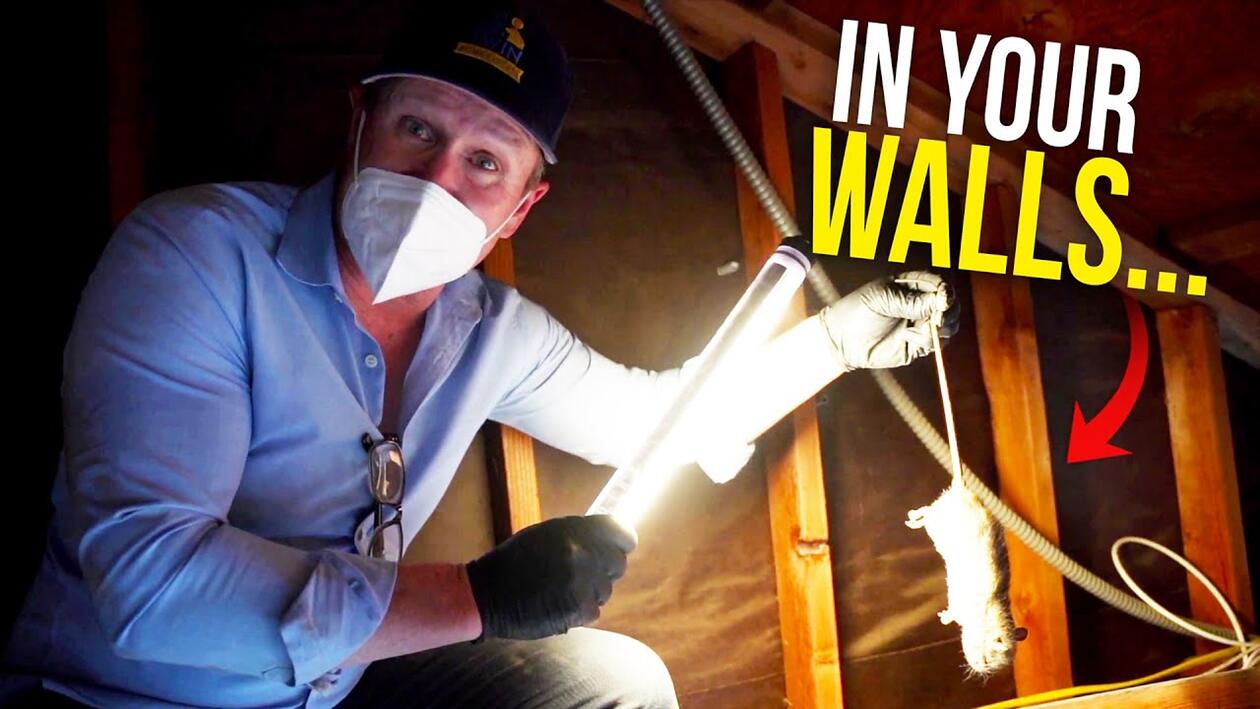
Video: Rodents in your walls? Here's what you do, from Twin Home Experts.
Common Questions in Plano
What callers from Plano ask before booking.
The house
Is my Plano house on a slab?
Almost certainly, unless it is in the older core near downtown Plano. Dallas-area construction moved from pier-and-beam to slab-on-grade around the mid 1960s and almost everything after 1970 is slab, and Plano grew mainly from the 1970s onward. The visual check is whether the brick runs down to a visible concrete edge with no vents, which means slab, or whether there is a skirting wall with rectangular vents and an access panel, which means a crawl space underneath.
Why are the weep holes such a big deal?
Because they are quarter-inch openings that come with the wall. Brick veneer has a cavity behind it and the weep holes let that cavity drain and breathe, so they belong there, and a long elevation can carry thirty or forty. UF/IFAS puts a mouse at a quarter inch and a rat at half an inch, which makes a weep hole an open door for the smaller animal. The closure is a stainless or copper cover that sits in the opening and leaves the drainage clear. Foam or mortar pushed into a weep hole traps water in the wall.
Timing and method
How many weeks does a Plano job normally run?
HomeGuide's 2026 figures put two to three days on trapping a handful of animals and one to two months on a heavy infestation, and the sealing is what decides which you get. UF/IFAS notes roof rats are wary of new objects, so a trap line needs at least a week before its catch rate means anything. With the roofline closed the catch curve falls to nothing; with one soffit return open it never does, because the canopy keeps supplying replacements.
Will bait deal with it faster?
It deals with the animals and leaves you with the consequences. The EPA describes most rodenticides as anticoagulants, with death coming four days to two weeks after feeding begins, so an animal nesting in a Plano attic dies in the attic or a wall cavity. Placing rodent bait for hire in Texas also requires a TDA license, so if a quote includes it, ask for the TPCL number and check it on the TDA license search. Trapping plus sealing is the usual professional answer.
Still have a question? Call (214) 203-5726 and ask.
Nearby Areas We Serve
The same contractors cover the towns around Plano, and the service area runs across Collin and Dallas counties and the rest of the metro.