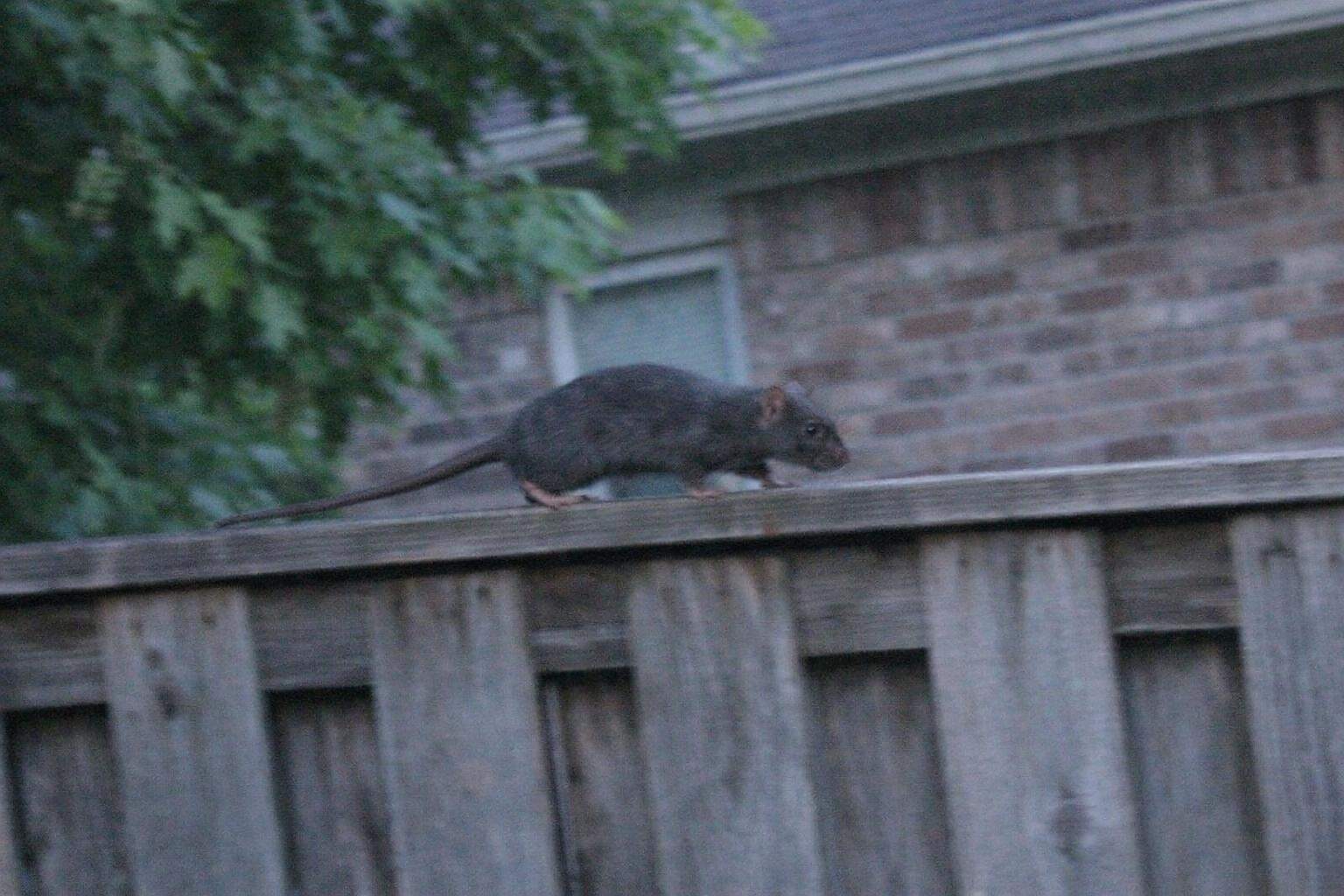
Rodent Removal Services in Dallas
Ten services in the order a job runs: the animals out, the building closed, the attic put right. Each one starts with a free inspection and an itemized quote.
- Free inspection first
- Itemized quotes, published bands
- Sealing in every sequence
The order the work runs, and why
Sealing is the spine of every job on this list, because trapping without sealing is the single most criticized practice among people who have been through it. Written out, the order is: count every opening, close the ones carrying no traffic, trap whatever is still indoors, shut the last runs when the checks come up empty, and only then deal with the mess left in the attic.
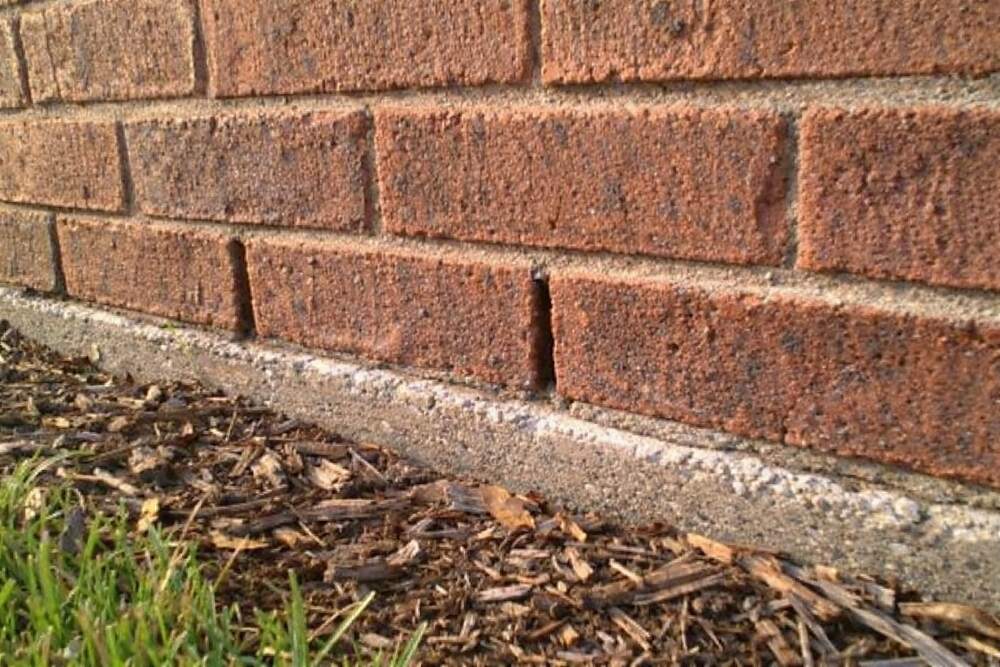
On a Dallas house that means two levels. The roofline first: soffit returns, gable and ridge vents, roof returns, builder gaps and plumbing stacks over a vented attic. Then the base of the house: the weep holes in the brick veneer, the garage door seal, and on a pier-and-beam home the skirting, the foundation vents and the access door. Each of those goes on the inspection list with a location and a material, and the quote carries trapping, sealing and cleanup as their own figures, so no part of it has to be taken on trust.
The about page covers who attends and the license position in Texas. The contact page has the hours and the address.
The services, grouped by where they sit in the job
Getting the animals out comes first, the closures decide whether that holds, and how much restoration follows depends on what the attic looks like once the noise stops.
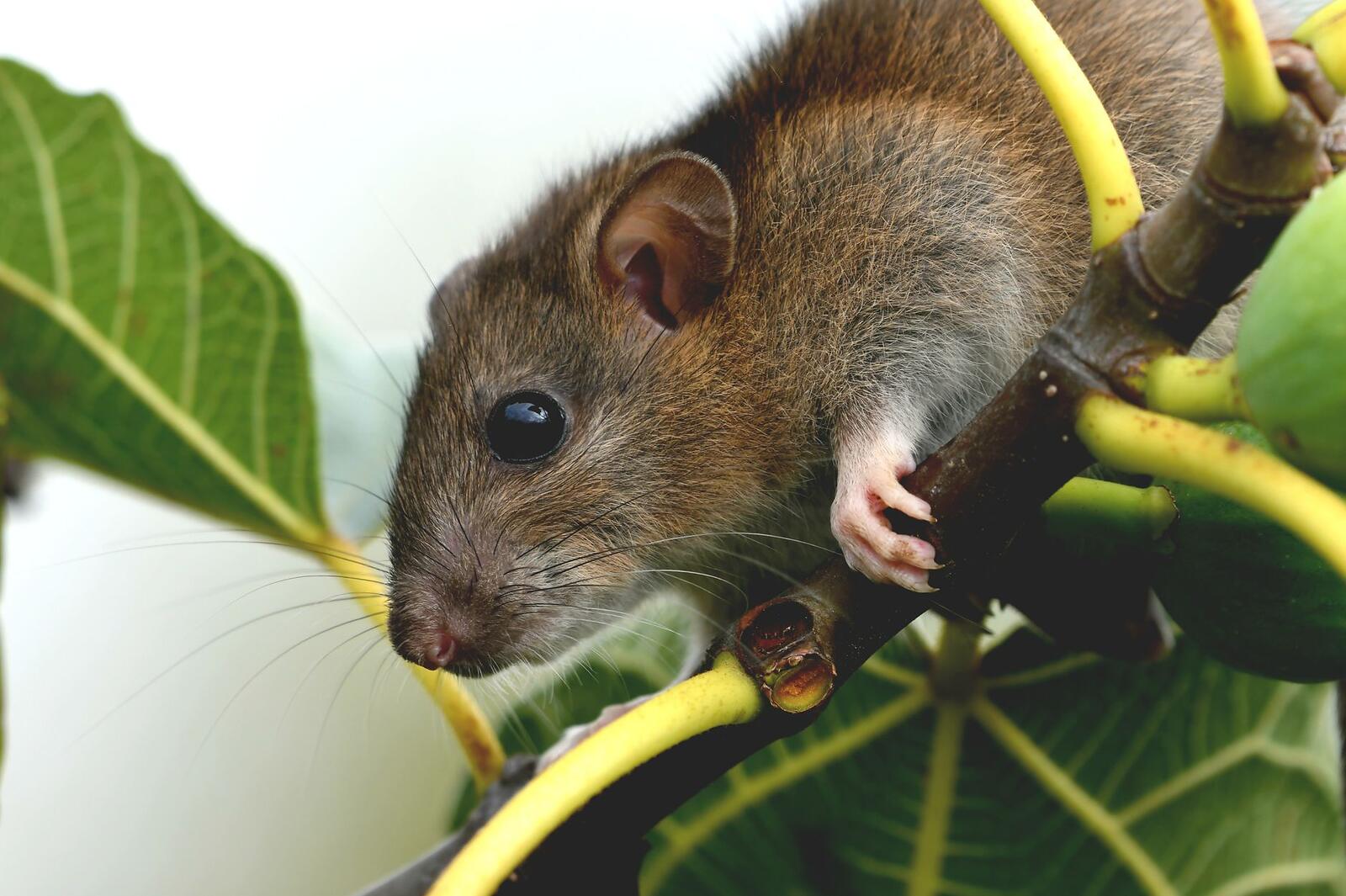
Roof Rat Removal
Trapping the attic rat that dominates Dallas, sequenced with sealing the roofline.
About Roof Rat RemovalRemoval
Getting the animals out of the building, by species and by setting.
Sealing and inspection
Finding the openings and closing them, which is what gives the trapping an end.
After the rodents
Putting the attic back to the condition it was in before any of it started.
Materials that keep rodents out
A comparison of what actually holds at a gap.
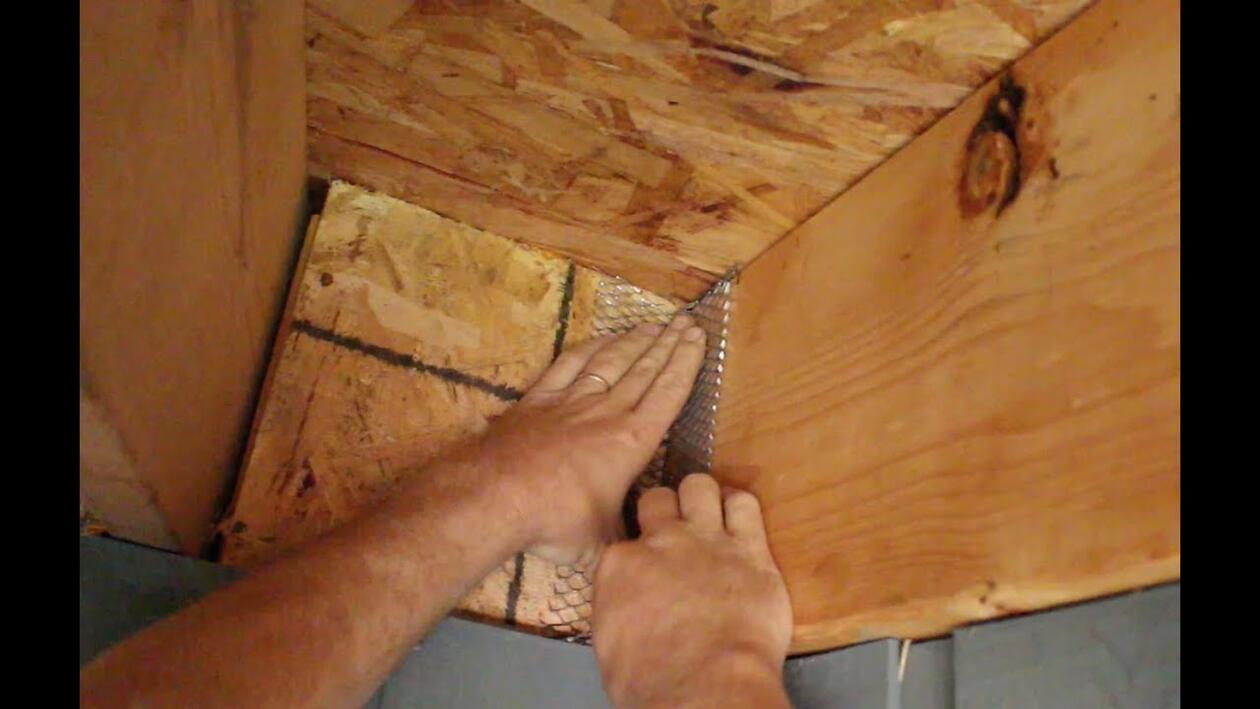
Video: How to keep mice out. Cheaper than hardware cloth, from Ontario Lakeside.
What every service on this list has in common
The order of work and the paperwork are the same whichever page you land on.
One free walk sets the sequence
Whichever service brought you here, the job starts with the same walk of the roofline, the attic, the brick base course, the garage and any crawl space. The report says which openings are in use, whether the animals are roof rats, Norway rats or mice, and whether the attic needs cleanup. That is what turns ten service pages into one itemized quote instead of ten separate sales calls. Angi's Dallas figures put an inspection at $100 to $200 where a fee is charged; here it is free.
Angi Dallas: inspection fees $100 to $200 where charged; free here
Each line is priced on its own
Trapping, sealing, cleanup and insulation appear as separate lines, with the Dallas and national bands printed on each service page so the quote can be read against them. HomeGuide's 2026 national guides put full-home exclusion between $500 and $2,500 and attic cleanup between $600 and $2,500, and a quote that folds a monthly monitoring contract into the removal price is a recognized red flag in every homeowner thread on the subject.
HomeGuide 2026: full-home exclusion $500 to $2,500 nationally
The credential fits the service
Bait placement in Texas needs a TDA-licensed business with a certified applicator or technician. Live trapping and nonpesticidal barriers do not, under Occupations Code section 1951.058, which is why many Dallas-area wildlife firms describe themselves as certified and insured rather than licensed. The contractor dispatched for a service holds what that service requires, and where bait is quoted the TPCL number is yours to check on the TDA license search before anyone starts.
Texas Department of Agriculture, Structural Pest Control Service
Choosing the right service
Which page to read first, by what you are dealing with.
Starting out
I hear noises but have not seen anything. Where do I start?
The free inspection. It walks the roofline, the attic, the brick base course, the garage and any crawl space, identifies the species from droppings and rub marks, and records every opening. Everything quoted afterward traces back to that one document, and the visit itself is identical no matter which of the ten services the findings point to.
Do I need sealing if the traps are catching rats?
Yes, because the traps are catching replacements. UF/IFAS puts the rat-proofing standard at a quarter inch and a roof rat's range at about 150 yards from its den, so an open roof return keeps the supply coming from well beyond your lot. Exclusion is what gives the trapping an end date, and on a pier-and-beam house it includes the crawl space.
After the rodents
Does the insulation have to come out?
Only where it is compressed into runs or soaked with urine. Two findings decide it, and the Department of Energy supplies both: loose fill crushed flat no longer performs at its rated R-value, and material that has taken moisture performs badly. The inspection looks for exactly those and the quote keeps cleanup and replacement apart. Many Dallas attics carry a radiant barrier retrofit as well, which stays.
Is there a document I can hand to a buyer or a landlord?
Yes, and the clearance letter page sets out what goes in it: the areas walked, any that could not be reached, the evidence and its apparent age, each opening closed with the material used, the trap check dates, and the contractor's TPCL number where one is held. What it certifies is a condition observed on named dates, and the cost is the free inspection plus whatever sealing the findings call for.
Still have a question? Call (214) 203-5726 and ask.