Rodent Removal in Lakewood
Lakewood pairs the two conditions that produce roof rats: mature canopy resting on rooflines that are nearly a century old, and pier-and-beam foundations with a crawl space underneath. The inspection covers both ends of the house.
- Tudor and revival rooflines
- Pier-and-beam crawl spaces
- Free inspection, any day
The houses: 1920s to 1940s revival, mostly on piers
Lakewood was built out between the 1920s and the 1940s, which puts nearly the whole neighborhood in the pier-and-beam era.
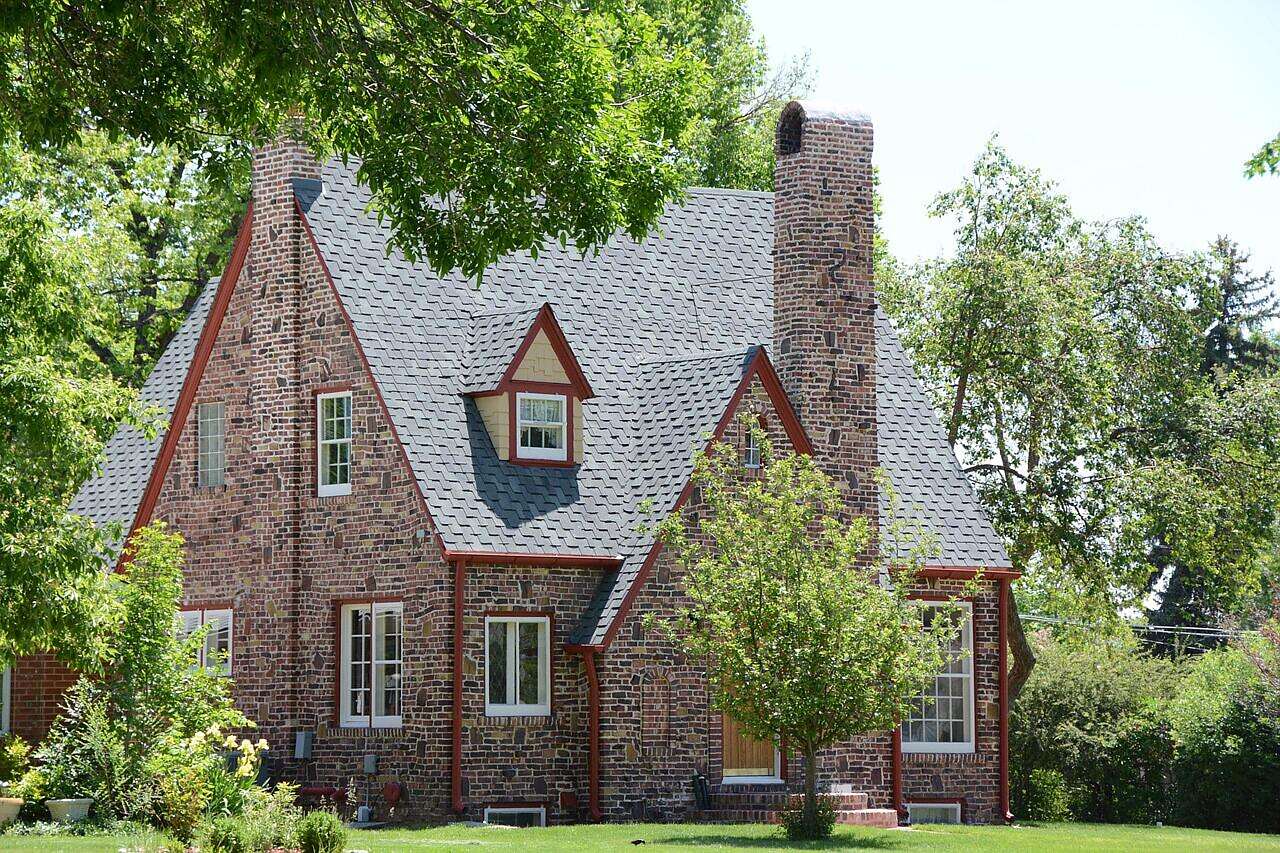
The housing is Tudor, Spanish eclectic and Colonial revival, with steep roof pitches, deep eaves, boxed soffit returns at the gable corners, and in many cases original fascia and soffit material that has been painted rather than replaced. Dallas houses built before roughly 1965 are mostly pier-and-beam with a crawl space, and almost everything after 1970 is slab, so a Lakewood address is a reliable indicator that there is a second region under the floor to inspect: skirting between piers, foundation vent screens, an access door, and the plumbing penetrations coming up through the subfloor.
Those steep revival roofs are the other half of it. A steep pitch means the soffit returns sit high and are awkward to reach, which is the reason they are the most commonly unrepaired opening on these houses, and the reason a quote written from the driveway misses them. Ninety years of movement on expansive clay has also left most of these houses with gaps at the junctions between original structure and later additions, and additions here are often slab, which leaves a seam between two foundation systems at ground level.
The canopy and the routes it opens
Lakewood's tree cover is the densest residential canopy in the city and it reaches the rooflines.
Red oaks, live oaks, pecans and cedar elms planted when the neighborhood was new now have limbs at roof height or above it, and on many streets the canopy closes over the road entirely. That is the road a roof rat uses. UF/IFAS Extension puts the roof rat's range at about 150 yards from its den, and describes the animal as arboreal, traveling along limbs, wires and fences, which means the rats testing one roofline may be denning several lots away in a neighbor's hackberry or in the ivy on a garage wall.
Research on North Texas rodents names Lakewood specifically among the areas where roof rats are common because the trees are mature. The practical consequence on an inspection here is that limb clearance off the roof plane is priced as its own line alongside the sealing, and the fence lines and utility cable runs to the fascia get checked too. Sealing a roofline and leaving a pecan limb resting on the shingles is a job that gets tested every night.
Ivy deserves a mention on its own. Heavy ivy on a masonry wall or a garage is both cover and a ladder, and on these lots it is often the thing that connects the ground population to the roof.
How the work runs on a Lakewood house
Both ends of the house get sealed, with the trapping in between.
The sequence is the same one used everywhere, and the difference here is the number of regions. The inspection walks the roofline from a ladder, enters the attic, reads the droppings for species and freshness along the top plate, then goes underneath to check the skirting, the foundation vents and the access door. Openings with no current traffic are closed first, which on one of these houses typically means a rusted gable screen, a couple of skirting gaps and a subfloor penetration. Snap traps then hold the live runs for at least a week, since UF/IFAS notes roof rats are wary of new objects, and the last openings are closed once two consecutive checks come up empty.
Materials matter more on older houses. Quarter-inch galvanized hardware cloth fixed behind a gable louver preserves the look of the original vent, sheet metal goes under a roof return, and a rebuilt soffit return is carpentry rather than a foam repair. On a street where buyers notice original detail, that distinction has value beyond the rodents. Rodent exclusion covers the whole scope and crawl space rodent control covers the underside.
White Rock Lake and the edge of the neighborhood
The lake sits on Lakewood's eastern edge and adds a continuous source of outside pressure.
White Rock Lake Park brings wooded shoreline, creek inlets, brush and a permanent water supply right up to the residential streets, which means the rodent population on that side of the neighborhood is not dependent on anybody's house. The practical result is that the houses closest to the park boundary and to the creek corridors feeding it see a steadier outside population than the inner streets, and a sealed house there stays sealed rather than staying empty by luck.
It also changes the species mix slightly. The canopy and the park edge favor roof rats at roof level, while the creek banks and brush support ground-level Norway rats, which on a pier-and-beam house means the crawl space perimeter carries more weight than it would four streets inland.
Nothing about that makes the work different in kind. It makes the closure list longer and the limb and ground cover clearance more useful.
A representative closure on a Lakewood roofline
The closure these houses need most often is the boxed soffit return at a gable corner.
On a steep revival roof the return is a small horizontal box where the soffit meets the gable wall, closed from below with a panel that was fitted in the 1930s and has shrunk, lifted or been painted over several times since. A roof rat needs about half an inch and the rat-proofing standard UF/IFAS publishes is a quarter inch, so the gap at the edge of a lifted panel is usually generous. The repair is carpentry: the panel is refitted or replaced and backed with quarter-inch galvanized hardware cloth, so the closure holds against chewing rather than against weather alone. The same elevation's gable vent is then re-screened from behind, which keeps the original louver visible from the street.

A common Lakewood call
The situation: a 1932 Tudor two streets from the park, pier-and-beam, with a red oak whose lower limbs sit on the back slope. Running above the main bedroom ceiling every night since the middle of October, and the owner has taken to sleeping in the front room.
What gets done: the ladder finds a lifted soffit return at the back gable corner with greasy rub marks at its edge, and a gable louver on the same elevation with the screen rusted through. In the attic, droppings a quarter to half an inch long with pointed ends run in a line along the top plate on that side, dark and soft. Underneath the house the skirting has opened at two pier bays with older dry droppings and no rub marks. The gable louver and the two skirting gaps are closed first, the soffit return is left open with snap traps set on the run beside it, and the oak limb is cut back clear of the roof plane.
How it turns out: four catches in the first week and none in the second. The soffit return is rebuilt and backed with hardware cloth on the close-out visit, the insulation is compressed along one run so a spot cleanup is quoted on its own line, and the owner keeps a written list of five closures with the material used at each.
Lakewood rodent questions
What callers from these streets ask first.
The houses here
Does my 1930s house definitely have a crawl space?
Almost certainly, given the build date. Dallas houses built before roughly 1965 are mostly pier-and-beam with a crawl space, and Lakewood was built out between the 1920s and the 1940s. Look for a skirting wall with rectangular vents along the base and a removable or hinged access panel on a side or back elevation. The complication to watch for is an addition: rooms added in the 1970s or later are often slab, which leaves a seam between the two foundation systems, and that seam is a common ground-level entry.
Is it safe to seal the roofline before the trapping starts?
Sealing the quiet openings first is safe and sealing all of them is not. The openings with no current traffic get closed straight away, which narrows the house to one or two known routes and makes the trapping efficient. The routes in use stay open until the trap line stops producing. Closing everything with animals inside leaves them chewing out through a ninety-year-old soffit panel or dying in a wall cavity, which is the situation covered on dead rodent removal.
The trees and the timing
Do I have to cut the oak back?
Cutting the limbs clear of the roof plane is the single most effective thing available on a street like this, and it is usually the cheapest line on the quote. UF/IFAS describes the roof rat as arboreal, moving along limbs, wires and fences, and ranging about 150 yards from its den, so a limb touching the shingles is the last step of a route rather than the start of one. The cut is a clearance off the roof rather than a reshaping of the tree, and the fence lines and cable runs get checked at the same time.
When is the best time of year to get this done in Lakewood?
Late August through September, which is the exclusion window local firms name. A hot summer dries the expansive clay under these houses and pulls it away from piers and skirting, so the gaps are at their widest and most findable then, and the first cool fronts in late September or October are what send the animals indoors. Activity peaks from November through February. A call in January is still worth making; it starts with trapping and finishes with the closures instead of being closures alone.
Still have a question? Call (214) 203-5726 and ask.
Materials that keep rodents out
A comparison of what actually holds at a gap.
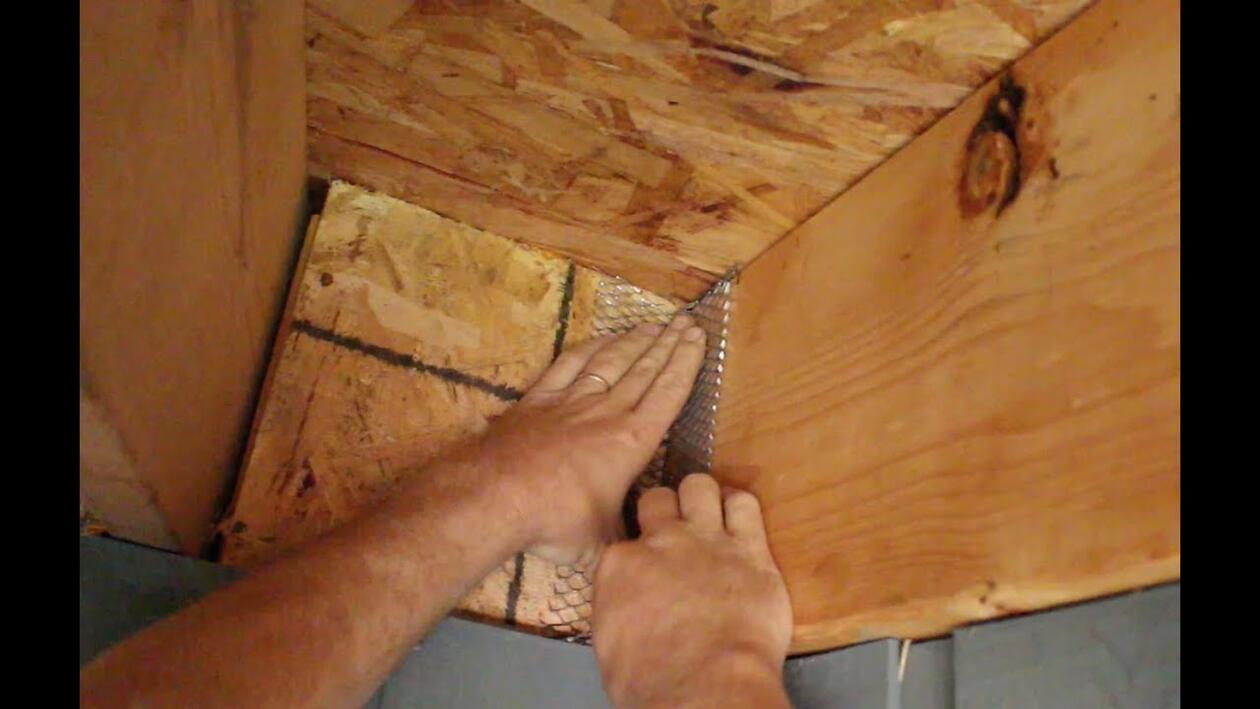
Video: How to keep mice out. Cheaper than hardware cloth, from Ontario Lakeside.
Why Lakewood homeowners book through us
Three things that matter more here than in a newer part of the city.
Roofline and crawl space both
Houses built in Lakewood between the 1920s and the 1940s are almost all pier-and-beam, since the Dallas changeover to slab construction comes after about 1965. That means there is a whole perimeter under the floor, skirting, foundation vents, access door and subfloor penetrations, that an attic-only inspection never sees. The free visit here includes going underneath with a light, and the crawl space appears on the quote as its own itemized line rather than as an afterthought.
Dallas homes built before roughly 1965 are mostly pier-and-beam
The limbs get their own line
UF/IFAS Extension describes the roof rat as arboreal, traveling along limbs, wires and fences, and ranging about 150 yards from its den. On streets where the canopy closes over the road, the limb resting on the shingles is the last step of a route that began two lots away, so cutting it back is part of the job rather than gardening. The quote lists limb work, fence line contact and cable entry separately so you can see what each one costs.
Roof rats travel about 150 yards from the den along limbs and wires, UF/IFAS
Soffit returns rebuilt as carpentry
A 1930s Tudor with a steep pitch has boxed soffit returns that were built rather than bolted on, and the honest closure is carpentry backed with quarter-inch galvanized hardware cloth. Gable louvers get re-screened from behind so the original stays visible from the street. Expanding foam at an eave on a house like this is both a short-lived seal and a visible one, and it is the line on a cheap quote worth reading twice.
A quarter inch is the rat-proofing standard, UF/IFAS Extension